
[Lead paragraph that frames the problem and the promise of the article.]
[Body paragraph.]
Choose the material, not just the colour name
Oak and walnut can establish very different relationships with the rest of an interior. One selection may bring a more pronounced grain to the foreground; another may create a darker visual anchor. But neither name describes a single, fixed appearance. Species, board selection, cut, finishing and construction all influence what arrives on site.
A useful comparison starts with the actual product specification and a representative finished sample. This guide uses American white oak and American black walnut as reference examples, drawing on the American Hardwood Export Council's descriptions. Those examples should not be read as a description of every oak or walnut product, or as a claim about the timber used in any UMDU piece.
What white oak can bring to a scheme
AHEC describes American white oak as having light-coloured sapwood and heartwood ranging from light to dark brown. The grain is mostly straight, with a medium to coarse texture and a distinctive figure associated with its rays. That description provides a starting point, not a colour specification.
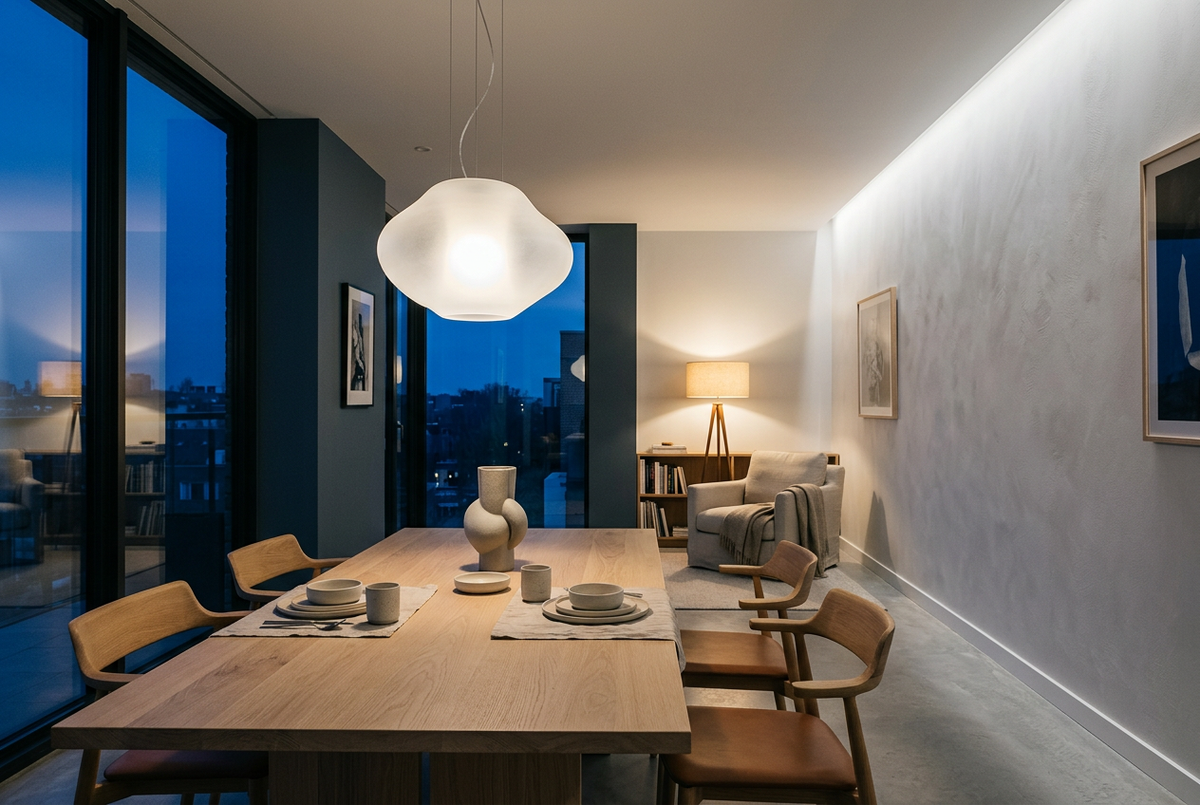
In an interior, assess how visible grain relates to the scale of the piece. The surface of a long table may read differently from the same material on a narrow chair component. Review an overall view as well as a close-up: a small sample may show colour without communicating the full arrangement of grain across the finished piece.
Avoid using 'oak' as shorthand for a pale, uniform finish. If the design depends on a particular tone or degree of variation, make that requirement explicit and check what the manufacturer can actually supply.
What walnut can bring to a scheme
AHEC describes American black walnut sapwood as creamy white and its heartwood as light brown to dark chocolate brown, sometimes with a purplish cast or darker streaks. It is generally straight-grained, although wavy or curly grain can also occur.
The contrast between sapwood and heartwood is an important part of the discussion. AHEC notes that walnut may be supplied steamed to darken the sapwood, or left unsteamed. Ask how the timber has been selected and processed rather than assuming a photographed dark surface represents the full available range.
Where walnut is intended to anchor a room, compare it with adjacent flooring, metalwork and upholstery. A digital image may help narrow the direction, but final approval should reference the actual finish and the range of natural variation accepted for the project.
Compare the decisions that matter
| Decision | American white oak reference | American black walnut reference |
|---|---|---|
| Typical heartwood description | Light to dark brown | Light brown to dark chocolate brown |
| Grain and texture | Mostly straight; medium to coarse texture | Generally straight; wavy or curly figure may occur |
| Variation to discuss | Board selection, figure and finish | Sapwood contrast, steaming, figure and finish |
| Sample approval priority | Overall grain arrangement and finished tone | Accepted colour range and sapwood treatment |
| Ageing discussion | Confirm expected behaviour of the selected finish and timber | Dark heartwood can lighten with light exposure |
These are species descriptions, not acceptance tolerances or a ranking of furniture quality. The finished product needs its own documentation and review.
Ageing is part of the material decision
Timber colour can change with exposure to light. AHEC specifically notes that darker timbers such as walnut can lighten, and its walnut description identifies lightening of the dark heartwood with UV exposure. Do not assume a dark walnut sample will remain visually unchanged throughout the life of the piece.
For either material, ask the maker how the chosen finish and anticipated exposure affect appearance and maintenance. Consider where the furniture will sit, which parts may receive different exposure and how replacement or additional pieces might be assessed later.
A handover conversation should distinguish natural change from a product defect without making unsupported promises about the rate or extent of change. Keep the approved sample and the care information with the project record so later decisions have a clear reference point.
Construction and finish need separate review
The species name alone does not explain how a piece has been built. Ask whether the visible surfaces are solid timber, veneer or another documented construction, and which parts use which material. Solid timber and veneer should not be reduced to a simple good-versus-bad hierarchy; review the actual design, construction information and intended use.
Likewise, a timber choice and a finish choice are separate decisions. Request the exact finish description, available care instructions and any use limitations from the manufacturer. Do not infer resistance to heat, water or cleaning products from the species name or the appearance of a photograph.
If the project has particular performance requirements, collect product-specific evidence. This article does not establish commercial suitability, certification or a performance rating for an individual item.
Use a consistent sample-review process
Begin by identifying the exact species and product reference. Then request a finished sample that represents the proposed selection, with the finish name and revision recorded. Ask which types of natural variation the sample does and does not demonstrate.
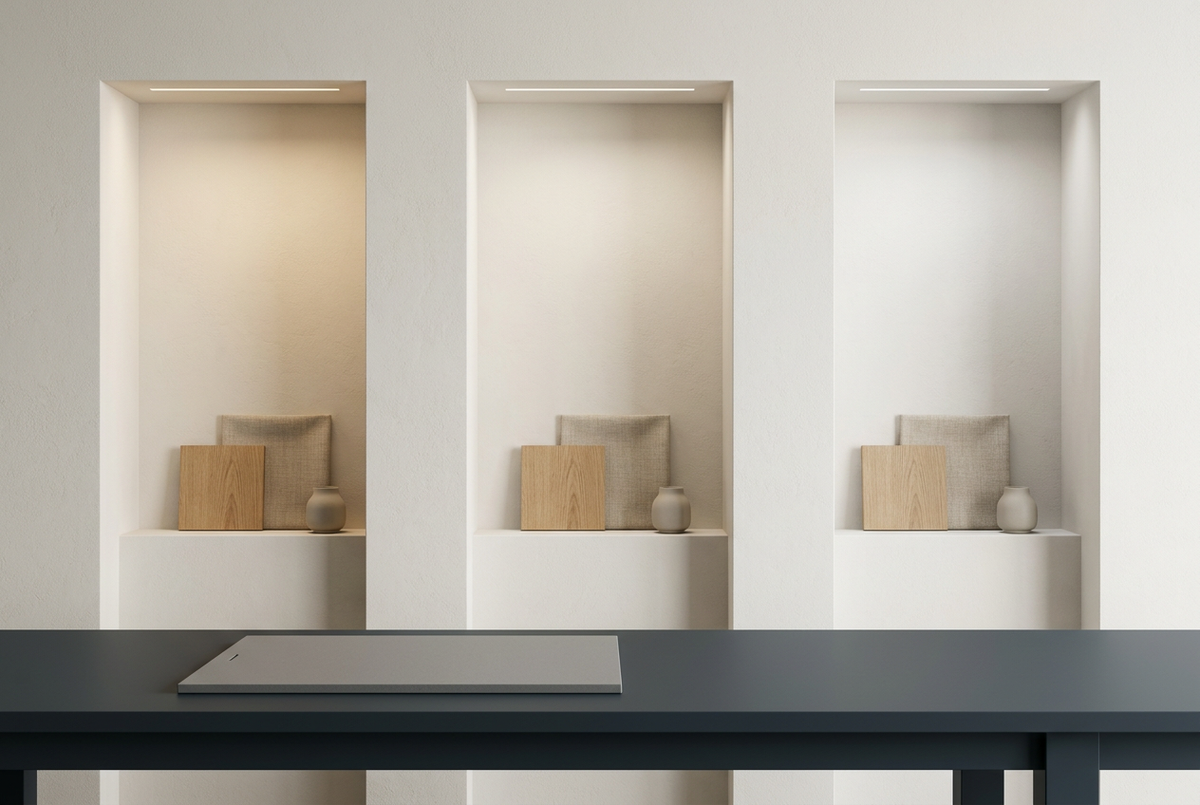
Review it beside the actual adjacent materials, under the lighting proposed for the room. If more than one person is approving the selection, use the same physical reference where possible and document the outcome. A photograph of the approval can support the record, but it should not replace the sample itself.
Before ordering, resolve how variation will be handled across multiple pieces. Clarify whether a later order can be expected to match, or whether a new approval will be required. Record what is agreed rather than relying on a broad colour label in a schedule.
Specifier tip: ask for a representative range when variation matters. One attractive sample is not the same as an agreed range for a whole project.
Approve the species, finish and construction together.
Your next step
Explore furniture for your next interior. Use grain, tone and construction to narrow the selection, then compare the available finish information before specifying a piece.
Sources
[Pull quote that captures the key idea.]
[Name], [Role][Caption · credit]
Featured in this article
Recommended levels
- [List item]
- [List item]
- [List item]
| Space | Colour temperature | CRI |
|---|---|---|
| [Space] | [2700K] | [90+] |
| [Space] | [3000K] | [90+] |
| [Space] | [4000K] | [95+] |
Specifier tip
[Short practical note with a link to the relevant product or download.]